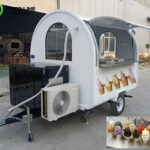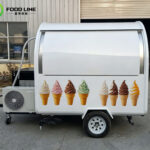
Starting a food trailer business gives you a lower-cost path into the food industry compared to a full restaurant. Many people choose this model because it allows mobility, lower rent pressure, and faster setup. A mobile food trailer can work in many markets, from busy cities to small towns, if you plan it correctly. The keys to success lie in clear planning, a simple menu, and strict cost control. This guide will walk you through every step, helping you successfully establish and operate your own food trailer business.
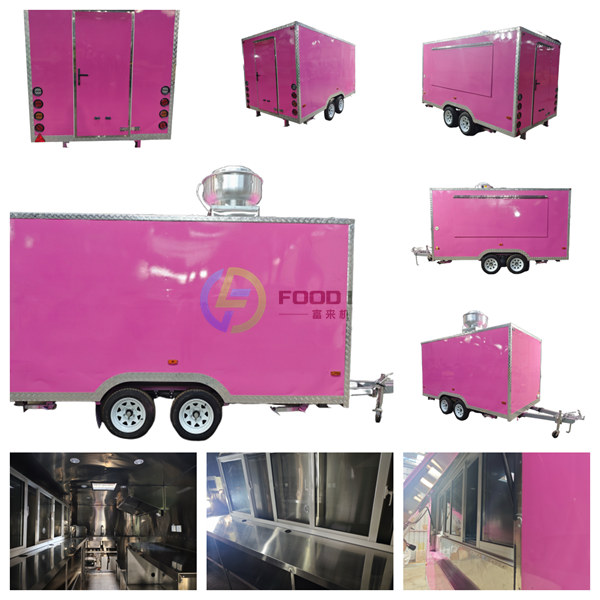
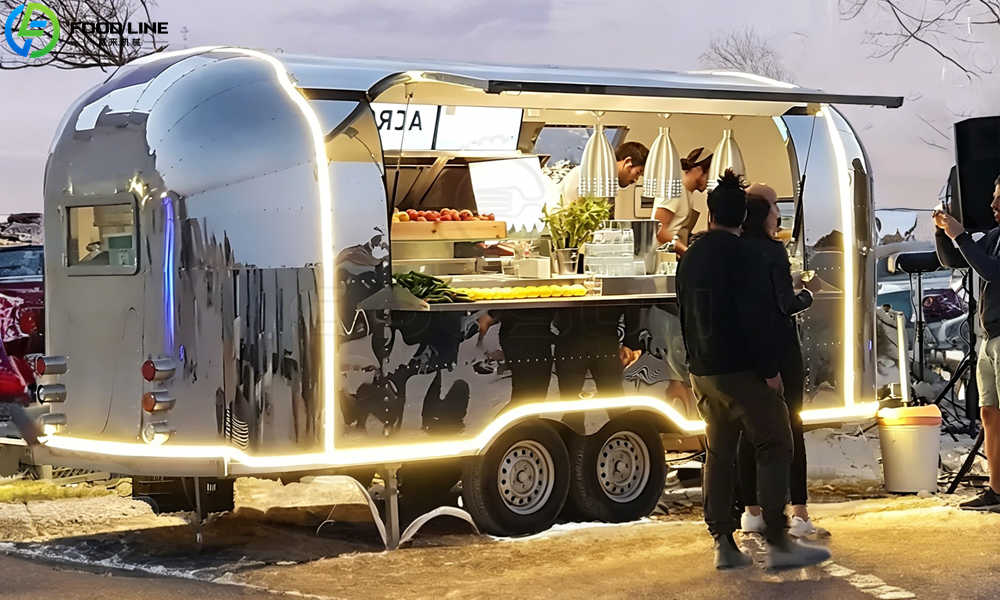
Core Steps to Launching Your Food Trailer Business
Establishing a food truck business requires comprehensive planning across multiple domains.
1. Define a Simple yet Powerful Business Concept
The starting point of any food trailer venture is defining a clear and distinct culinary concept. The most successful business concepts are often simple and straightforward—instantly understandable to customers within just a few seconds.
- Popular culinary choices include:
- Street-style tacos or burritos
- Burgers and fries
- Fried chicken
- Coffee and beverages
- Ice cream or desserts
A strong business concept typically possesses three key characteristics: rapid preparation speed, a limited variety of required ingredients, and a highly distinctive flavor profile. An overly long or complex menu often leads to slower service times and increases the risk of food waste.
2. Understand Licenses and Legal Regulations
Every region has its own specific regulations governing food trailer operations.
The procedures typically required (specific requirements vary by location) include:
- Business registration
- Approval and permits from the health department
- Health certificates (or professional certifications) for food handlers
- Fire safety inspections for cooking equipment and systems
- Mobile vendor operating permits
- Commercial insurance coverage
It is crucial to research and understand these regulations as early as possible, as the time required for various approval processes can vary significantly.
3. Planning Startup Costs and Budget
Depending on the configuration of selected equipment and the type of food trailer chosen, the startup costs for a food trailer business can vary across different tiers.
Major areas of expenditure include:
- Cost of purchasing or custom-building the food trailer
- Cooking equipment and utensils
- Refrigeration and food preservation systems
- Power supply systems (generators or battery packs)
- Water storage tanks and plumbing systems
- Brand identity design and exterior vehicle graphics/painting
Creating a clear budget helps prevent financial shortfalls during the initial stages of the startup.
4. Designing an Efficient Food Trailer Layout
A well-planned layout helps boost operational efficiency and alleviate stress during peak service hours. Food trailer operators should divide the interior space into distinct functional zones:
- Cooking area
- Food preparation station
- Refrigeration area
- Dry goods storage area
- Hand-washing station
Minimizing movement paths is critical. If employees have to cover excessive distances while moving around inside the trailer, service speed will drop rapidly. Equipment placement should align with the workflow: specifically, the sequence from food preparation to cooking and, finally, serving.
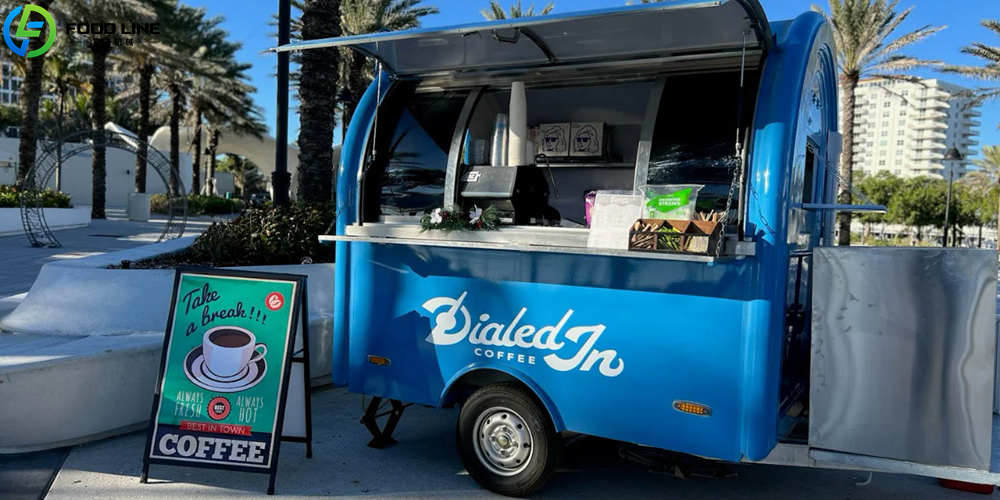
5. Creating a Simple Menu and Pricing Strategy
The optimal model for a food truck business involves a simple menu. Offering too many dishes not only slows down preparation speeds but also increases the likelihood of errors. A simple menu structure might include:
- 3 main dishes
- 2 side dishes
- 2 beverage options
- 1 seasonal special
When designing the menu, aim to have different dishes share common ingredients whenever possible. This approach not only minimizes food waste but also makes inventory management much easier. When setting prices, you must consider not only the cost of ingredients but also labor expenses and daily operating overheads.
6. Choosing the Right Location
Location plays a decisive role in the success or failure of a food trailer business. Ideal operating locations typically include:
- Office districts during the lunch rush
- University campuses
- Night markets and various special events
- Areas near construction sites
- Busy streets (provided the necessary permits have been secured)
Conducting trial runs at various locations can help operators accurately identify their primary customer base. Note that high foot traffic alone does not necessarily translate into strong sales performance.
7. Building a Brand Image and Launching Marketing Campaigns
The success of a food trailer business also depends on its visibility in the public eye. Customers often make purchasing decisions in a matter of moments, based largely on the food trailer’s exterior design and the clarity of its messaging.
Key elements include:
- A simple, memorable business name
- A clear and aesthetically pleasing brand logo
- A food trailer exterior featuring vibrant colors and a unique design
- An easy-to-read menu display board
- Active and consistently updated social media content
Posting photos of your food, daily location updates, and short videos can help attract new customers and foster customer loyalty.
8. Optimizing Daily Operations and Performance Management
Daily operations for a food trailer business encompass tasks such as restocking ingredients, cleaning and sanitizing, meal preparation, and handling transactions. By tracking sales data for various menu items, operators can continuously refine their menu offerings over time.
Daily operations should focus on monitoring the following key metrics:
- Service speed and turnaround time
- Ingredient waste levels
- Customer feedback
- Equipment performance and condition
- Customer flow and pace during peak hours
By making continuous adjustments and optimizations to these operational aspects, operators can gradually improve their profitability over the long term.
Growth Path for A Food Trailer Business
Once a food trailer business is up and running, and operating on a stable footing, operators can begin to explore further expansion strategies. These might include adding a second food trailer, participating in a wider variety of trade shows or events, or launching catering services. Some operators also establish fixed weekly routes in high-traffic areas. Business growth should be driven by actual demand rather than by blind, rapid expansion.
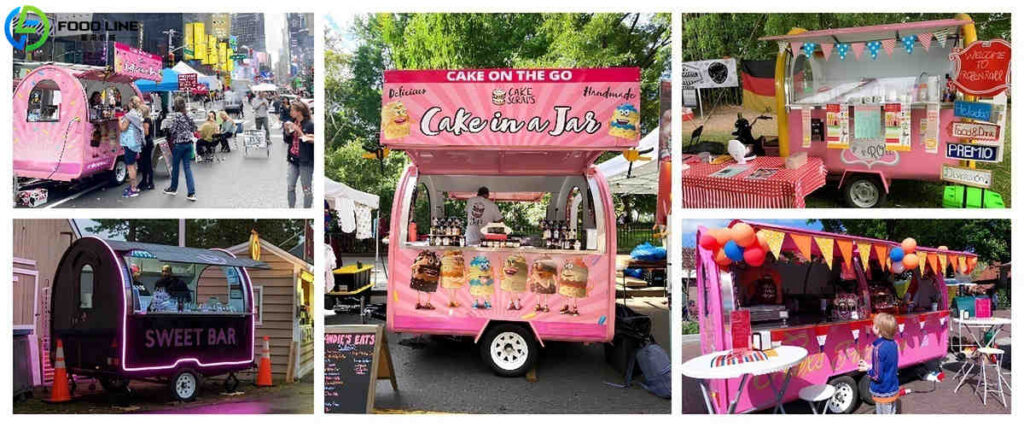
Why Choose Foodline for Your Food Trailer Business
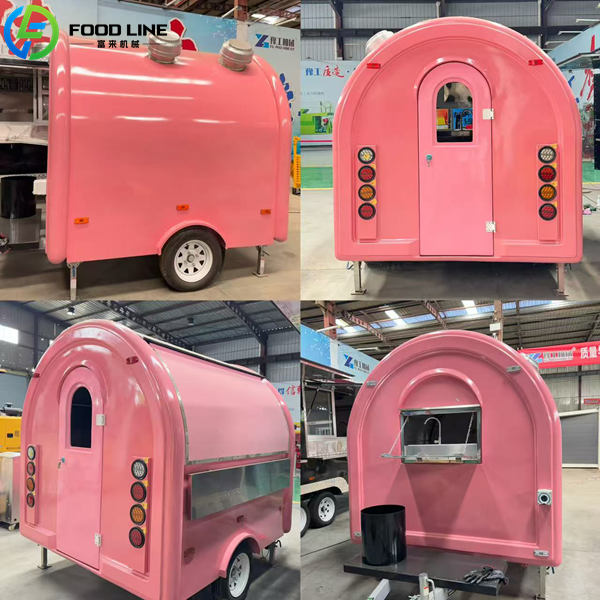
If you are planning to launch or expand a food truck business, selecting the right manufacturer is a crucial first step. Foodline is a specialized food trailer manufacturer with a factory located in Changge, Xuchang, Henan Province, China.
Our product lineup includes:
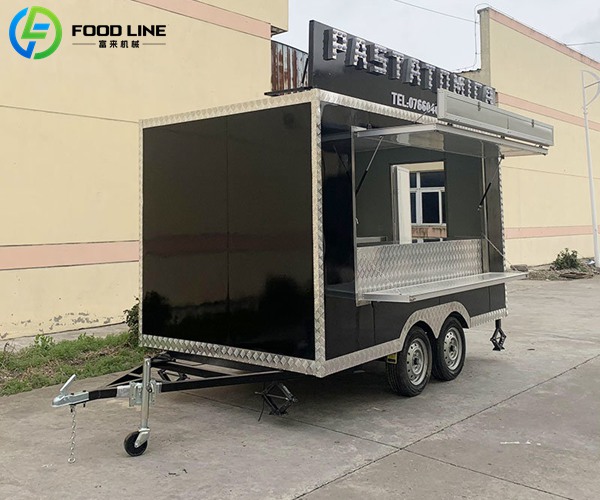
- Square food trailers
- Round food trailers
- Airstream food trailers
- Custom food trailers
- …
Whether you plan to sell coffee, burgers, tacos, desserts, or other types of street food, Foodline offers food trailers that perfectly align with your specific business needs.
Today, our food concession trailers are exported to destinations worldwide, including the United States, Canada, Mexico, the United Kingdom, Germany, Poland, and many other countries.