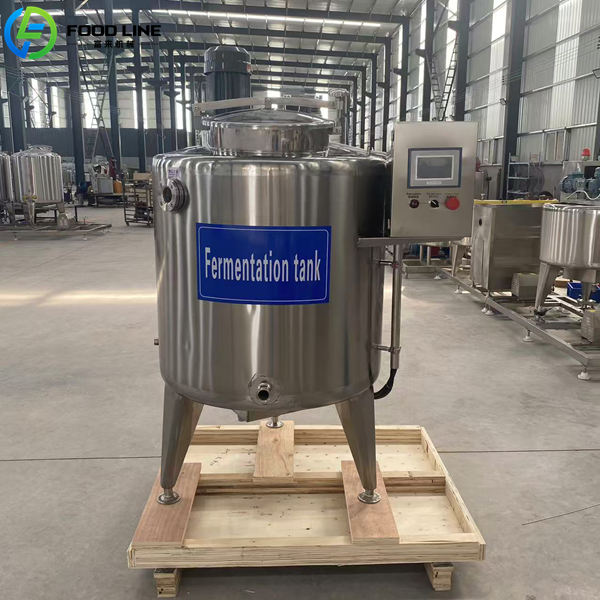
The yogurt fermentation tank play a vital role in yogurt production. During the transformation of milk into yogurt, this tank is responsible for controlling temperature, fermentation time, and agitation conditions. In dairy processing plants, stable fermentation performance directly impacts the product’s texture, flavor, and shelf life. Many manufacturers rely on a yogurt fermenting tank to maintain product quality across different production batches.
Yogurt production involves more than simply adding a starter culture to milk. The fermentation process requires strict temperature management, hygiene control, and precise timing. Fermentation tanks enable manufacturers to maintain these critical conditions throughout the production process.
What Is a Yogurt Fermentation Tank?
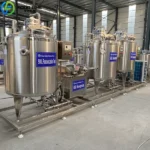
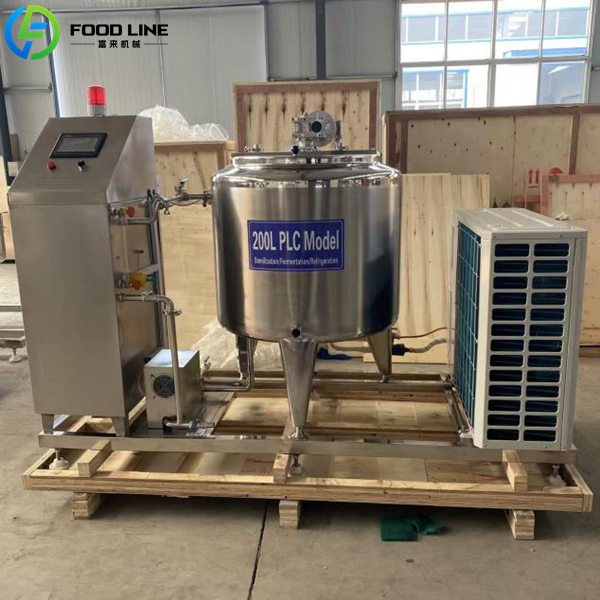
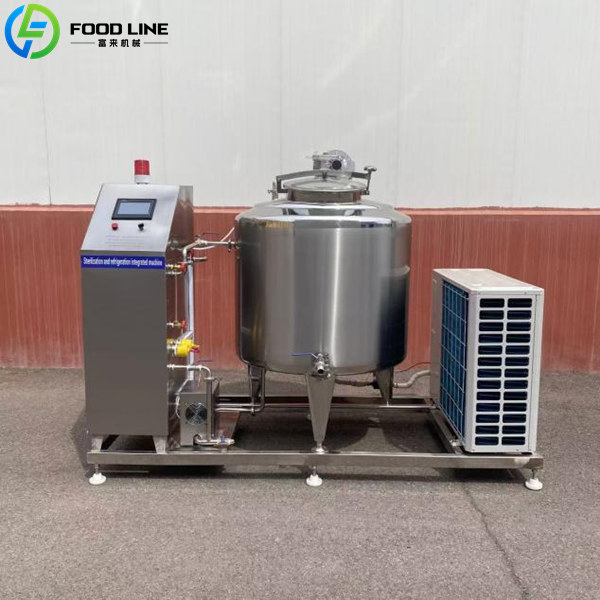
A yogurt fermenter is a stainless steel vessel used in dairy plants to ferment milk into yogurt under controlled conditions. It holds milk mixed with bacterial cultures and maintains a stable environment for fermentation.
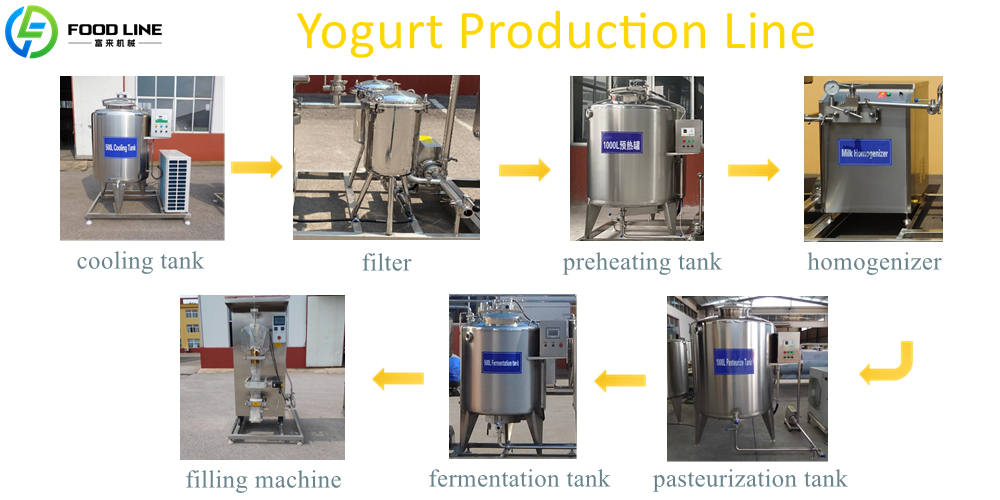
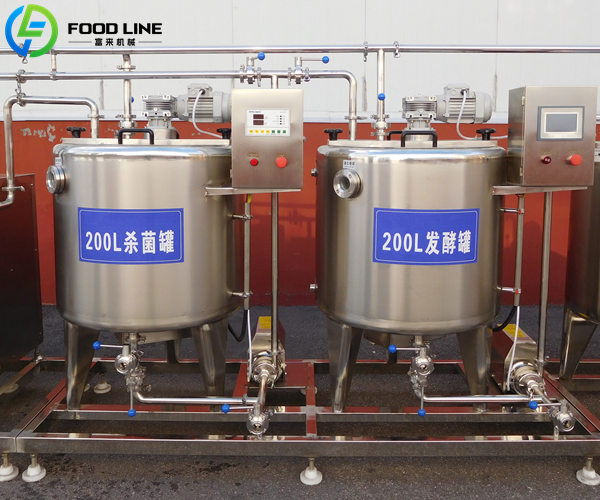
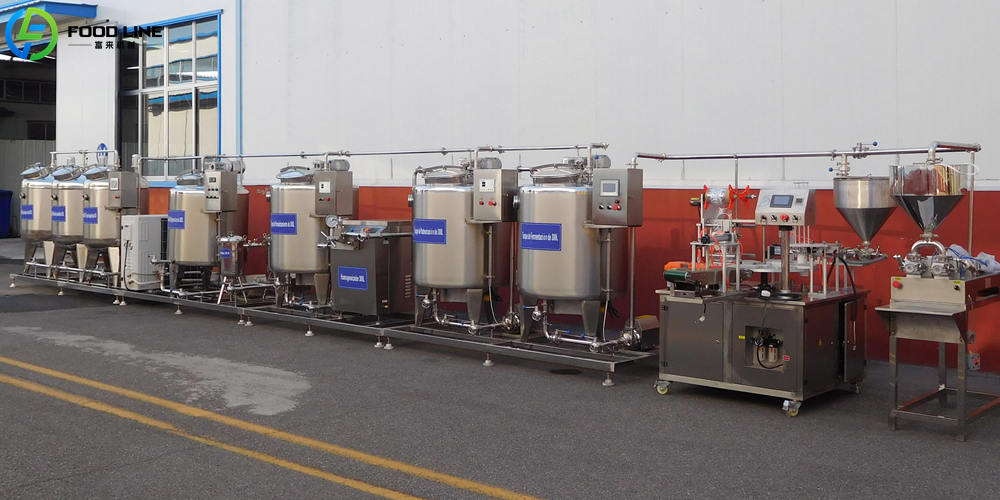
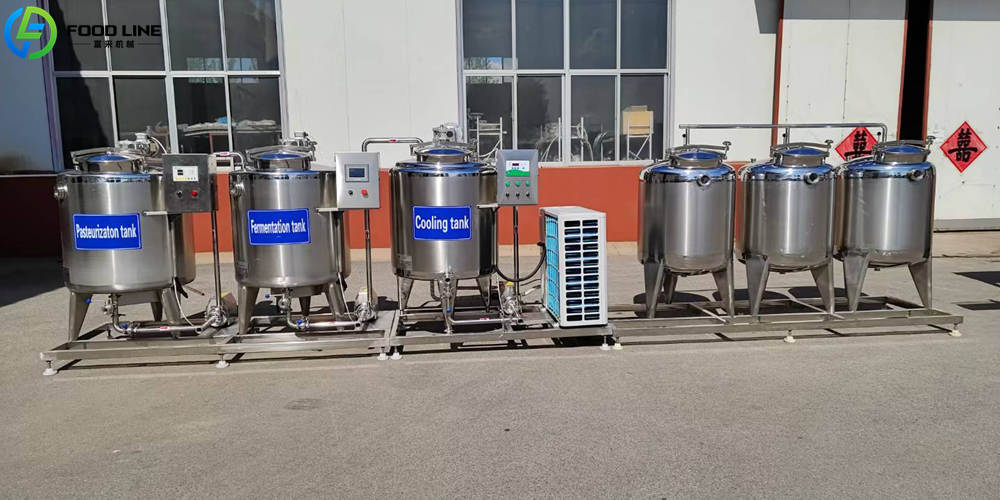
Industrial plants use this yogurt processing tank as a core unit in yogurt production lines. It works in tandem with the pasteurizer, homogenizer, and cooling tank. Depending on the plant layout, the tank can handle batch production or multi-tank continuous production.
The equipment is constructed from stainless steel due to its corrosion resistance and compliance with food-grade hygiene standards. The inner surface of the tank is polished to minimize product residue and facilitate cleaning.
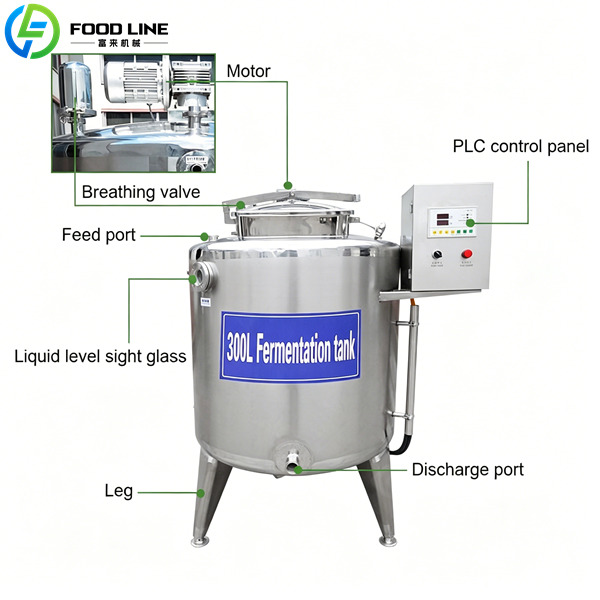
Structure of the Fermentation Tank for Yogurt
1. Temperature Control Jacket
Temperature control is a key part of the yogurt fermentation tank. Most tanks feature a double-jacket structure filled with hot water or cold water circulation. This structure helps control heat transfer between the tank wall and milk inside.
During fermentation, the bacterial cultures require a stable temperature environment. If the temperature drops or rises too rapidly, the fermentation rate fluctuates, leading to inconsistent yogurt quality.
2. Mixing System
Some yogurt fermenting tank models are equipped with a low-speed agitation system. An agitator rotates slowly to ensure the even distribution of cultures throughout the milk. Proper agitation helps to:
- Avoid uneven fermentation
- Prevent cream separation on the surface
- Improve the uniformity of the yogurt’s texture
Not all types of yogurt require agitation. For instance, the production of “set yogurt” typically avoids stirring during the fermentation process.
3. Insulation Layer
The exterior of the tank is wrapped in insulation material to minimize heat loss during fermentation. This helps reduce energy consumption over long fermentation cycles.
Common insulation materials include polyurethane foam and rock wool layers.
4. Control Panel System
Yogurt fermentation tank systems are equipped with digital control panels. Operators can set temperature, time, and agitation speed.
Some control systems support multi-stage fermentation programs, such as:
- Pre-heating stage
- Active fermentation stage
- Cooling stage
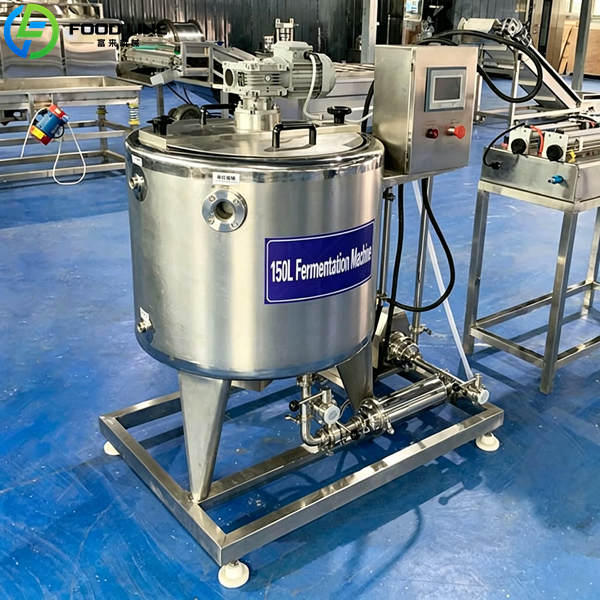
Yogurt Fermentation Workflow
The fermentation process within the yogurt fermentation tank involves several key steps.
Step 1: Milk Preparation
Before entering the fermentation tank, the milk undergoes pasteurization and homogenization. This process aims to eliminate harmful bacteria and improve textural stability.
Step 2: Tank Filling
The processed milk is transferred into the fermentation unit. A starter culture is added at this stage, followed by gentle agitation of the mixture.
Step 3: Temperature Holding
The fermenting tank maintains a stable fermentation temperature (typically between 40°C and 45°C). This stage allows bacteria to convert lactose into lactic acid.
Step 4: Acid Development
As fermentation progresses, acidity rises, and the proteins in the milk begin to form a gel structure. This is the critical transformation phase where liquid milk transforms into yogurt.
Step 5: End of Fermentation
Fermentation stops when the acidity reaches the target level. The product is then rapidly cooled to slow down bacterial activity.
Fermentation Control Factors
1. Temperature Stability
The operation of a yogurt fermentation tank relies heavily on temperature stability. Even minor fluctuations can alter the fermentation rate. Excessive temperatures can impair bacterial activity, while temperatures that are too low will slow down the fermentation process.
2. Timing Control
Fermentation time affects the consistency and flavor profile of the yogurt. In yogurt production, the duration is adjusted based on the product type:
Short fermentation time: Mild flavor
Long fermentation time: Higher acidity
3. Hygiene Standards
Hygienic conditions directly impact the safety of the final product. Yogurt fermentation vessels must be kept clean to prevent contamination. Clean-in-Place (CIP) systems help remove residues after each production batch.
Types of Yogurt Fermentation Tank
1. Batch Fermentation Tank
Batch tanks handle one complete production cycle at a time and are commonly found in medium-sized dairy plants.
2. Continuous Fermentation System
Some plants use multiple yogurt fermentation tanks working in rotation to achieve higher production capacity.
3. Cooling Integrated Tank
Some advanced tanks include cooling functions after fermentation, thereby reducing material transfer steps and shortening processing times.
Common Issues During Fermentation
1. Uneven Texture
Uneven fermentation often stems from improper temperature control or insufficient agitation.
2. Whey Separation
Excessive acidity or unstable protein structures can lead to liquid separation (whey separation).
3. Slow Fermentation
Low temperatures or insufficient starter culture activity can reduce the rate of fermentation.
4. Over-fermentation
Excessive fermentation time leads to increased acidity and altered flavor.
Maintenance of Yogurt Incubator Tanks
Regular maintenance helps ensure stable equipment operation:
- Clean inner tank after each batch
- Check heating and cooling system
- Inspect seals and valves
- Monitor temperature sensors
- Maintain control panel calibration
Proper maintenance extends equipment lifespan and minimizes production downtime.
The Role of Yogurt Fermentation Tanks in Dairy Production Lines
The yogurt fermentation tank works in coordination with other equipment on the production line:
Pasteurization system prepares milk
Homogenizer improves milk texture
Fermentation tank develops yogurt structure
Cooling system stabilizes final product
Filling machine packages yogurt
Each stage relies on consistent fermentation performance.
Foodline Machinery: Powering Modern Yogurt Production
Foodline Machinery is a high-tech enterprise based in Henan Province, China. The company manufactures and supplies food processing equipment to customers worldwide. For the dairy industry, Foodline offers milk pasteurizers, homogenizers, fermentation tanks, cooling tanks, and complete yogurt production line systems.
In addition to yogurt processing equipment, Foodline manufactures potato chip production lines, banana chips production lines, cashew processing lines, and sushi production lines. We also produce various other types of food processing machinery. Foodline’s equipment is currently used in countries such as Russia, Argentina, Liberia, Nigeria, Kenya, Spain, and Mexico.
Whether you are planning a new yogurt plant or looking to expand an existing dairy facility, Foodline can assist you in selecting the right yogurt fermentation tank and other dairy processing equipment for your production requirements. We invite you to contact our team to discuss your project, capacity needs, and plant layout planning.