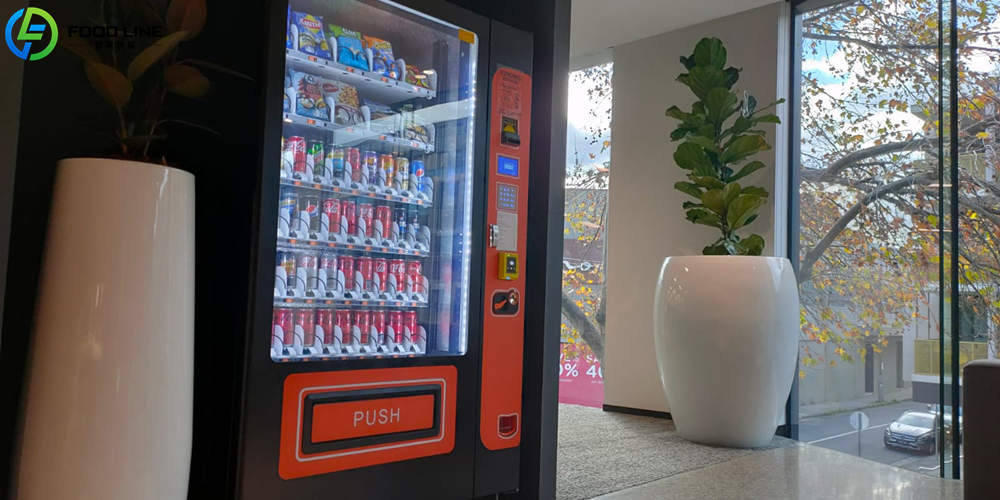
Interested in starting a flexible, low-cost business? Starting a vending machine business perfectly fits all your needs. This business allows you to earn money around the clock and is easy and convenient to manage. It caters to a wide range of customer needs, from office workers buying snacks to fitness enthusiasts replenishing their energy.
This guide provides actionable steps to starting a vending machine business and tips for maximizing profits and avoiding common pitfalls. Whether you’re a first-time entrepreneur or looking to expand your side hustle, you can find inspiration here.
Why Choose a Vending Machine Business?
Before diving into the details, let’s look at the key advantages of this business.
1. Low start-up cost and high scalability. You can start with one machine and gradually expand as your revenue grows, eventually building a complete network.
2. Passive income potential. The machines operate 24/7, requiring no constant presence from you.
3. Flexible location options. The machines can be placed in high-traffic, stable demand locations such as offices, gyms, schools, hospitals, and factories.
4. Minimal staff requirements. Daily operations require no employees; you only need to handle restocking and maintenance.
Essential Steps to Start a Vending Machine Business
Step 1: Conduct Market Research and Choose Your Market Segment
Starting a vending machine business begins with understanding your target audience and their preferences. Not all vending machines sell the same products. Market segmentation is key to standing out.
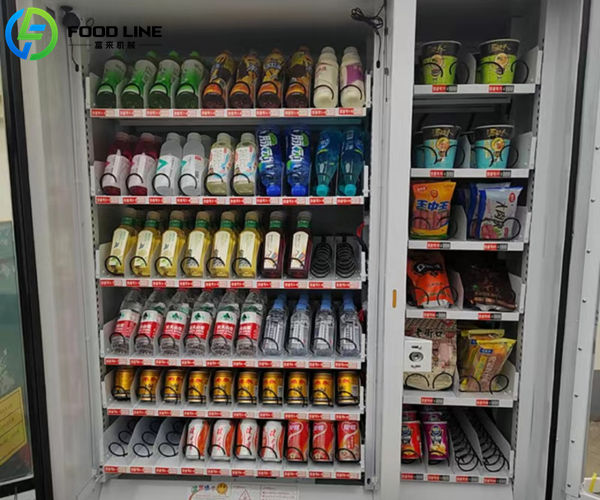
– Traditional snacks and beverages. Chips, soft drinks, candy, and bottled water are very popular in offices and public places.
– Health foods. Granola bars, protein shakes, fresh fruit, and low-sugar drinks cater to gyms, wellness centers, and corporate campuses that prioritize employee health.
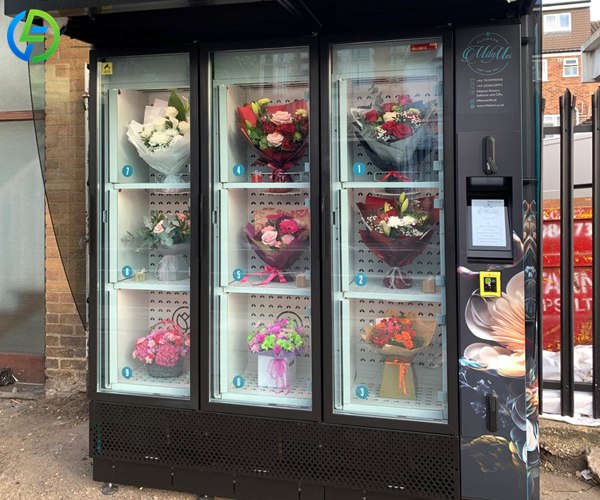
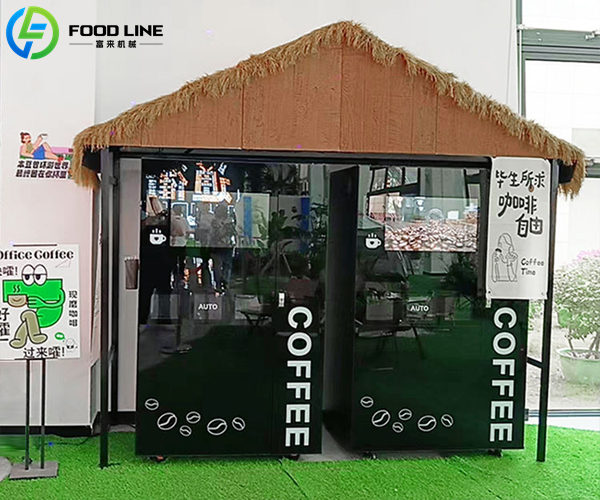
– Specialty products. Coffee or tea at airports or train stations, or even electronic accessories (phone chargers, earphones).
In addition, research the local competitive landscape. If a location already has three snack vending machines, consider adding a coffee machine to fill the market gap.
Step 2: Develop a Business Plan
A well-developed plan is crucial for the success of your vending machine business. Please list the following key details:
– Budget. Calculate the costs of the machine (new or used), inventory, transportation, licenses, and maintenance.
– Revenue Targets. Estimate monthly revenue based on customer traffic. Well-located machines can generate stable weekly profits.
– Site Selection Strategy. List potential locations and how you’ll secure them (e.g., partnering with business owners for a small commission per sale).
– Inventory Plan. Determine restocking frequency and priority products based on sales data.
Step 3: Obtain Licenses and Permits
Regulations vary by state and city, so don’t skip this step when starting a vending machine business.
– Obtain a general business license from your local government.
– Check if you need a health permit (required for machines selling food or drinks in most areas).
– Ensure compliance with tax laws. Register for a sales tax license to collect and pay sales tax.
Step 4: Choose the Right Vending Machine
The type of vending machines you purchase will affect your profits and ease of operation. Consider the following options:
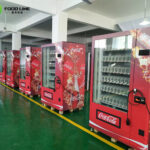
– Traditional Vending Machines: Affordable, easy to operate, and perfect for selling snacks and beverages. Ideal for beginners.
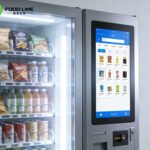
– Smart Vending Machines: Equipped with non-cash payment options , inventory tracking, and remote monitoring. These machines can reduce theft and optimize restocking processes.
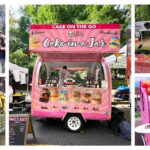
– Specialized Machines: Coffee machines, frozen food machines, or fresh meal machines. Ideal for niche markets but require more maintenance.
Step 5: Find High-Traffic Locations
Location is a key factor in successfully launching a vending machine business. Poor location leads to low sale. Follow these tips to ensure you get the best location:
1. Target high-traffic areas. Office buildings with many employees, gyms, hospitals, schools, and car dealerships are excellent locations.
2. Pitch to business owners. Offer a small sales commission to the property manager. This can incentivize them to allow you to place the machine.
3. Negotiate terms. Sign a written agreement clearly defining the machine’s placement period, commission rate, and who is responsible for machine maintenance.
4. Test locations. If a location isn’t performing well after a few months, move the machine to a better-performing area. Flexibility is crucial.
Step 6: Stock Up and Set Competitive Prices
Once the machines are in place, stock up on the items customers need and set reasonable prices to maximize profits.
– Track sales data. For smart vending machines, use built-in analytics to see which products are bestsellers. Replace slow-moving items with best-selling products.
– Set competitive prices. Price slightly higher than supermarket prices (customers expect extra payment for convenience).
– Rotate inventory seasonally. Stock up on cold drinks in summer and hot coffee or soup in winter to meet customer demand.
Step 7: Maintain the Machines and Grow the Business
Starting a vending machine business isn’t the end of the process. Continuous maintenance and growth are key to long-term success.
– Restock regularly. Inspect the machines regularly according to a schedule; you can use smart data to restock only when inventory is low. Keep the machines clean and organized; a cluttered machine will deter customers.
– Quick repairs. Resolve issues like jammed products or payment system malfunctions immediately. Every day a malfunctioning machine is down is a loss.
– Gradual expansion. Reinvest profits to increase the number of machines. Once the number of machines is stable, you can hire part-time staff for restocking and maintenance.
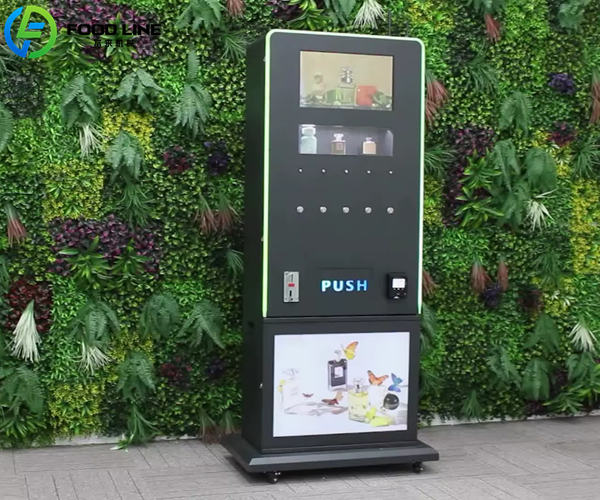
Is Ready for Starting a Vending Machine Business?
Setting up a vending machine business is a low-risk, high-return investment, and is ideal for entrepreneurs seeking flexibility and passive income. No extensive business experience or high operating costs are required. By choosing the right location, a customer-centric inventory, and reliable machines, you can build a profitable and scalable business and achieve your goals.
If you are ready to take this step, Foodline, a professional manufacturer and supplier of automatic vending machines, will provide you with support. We offer high-quality automatic vending solutions that meet various business needs. You can also contact us at any time for a free quote. WhatsApp/Tel/WeChat: +86 17837195753