Whether you are storing food at home or running a small food business, the packaging method you choose is crucial. Vacuum packing involves removing air from the package before sealing it. Non-vacuum packaging leaves the air inside. This simple difference affects the food’s shelf life, appearance, and even taste. Many people wonder: Is vacuum packaging worth the extra effort and cost? This article compares the two methods in detail, explaining how they work, where they are best used, and which one suits your needs.
What is Vacuum Packing
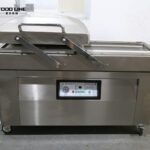
Vacuum packaging involves extracting air from a bag or container before sealing it. Specialized equipment (vacuum packaging machines) removes the air, and the opening is then tightly sealed. With no air inside, it is difficult for bacteria and mold to grow, thereby extending the food’s shelf life.
This reduced oxygen packaging is ideal for meat, fish, cheese, and various dry goods like coffee beans or nuts.
What Is Non-Vacuum Packing?
Non-vacuum packaging is the method most people use for everyday food storage. It simply involves placing food in a bag or box, or wrapping it in plastic wrap, and sealing it—leaving the air inside. This method is simple and requires no extra cost, but the food remains in constant contact with oxygen. Oxygen not only accelerates spoilage but can also alter the color and texture of many foods.
Key Differences at a Glance
| Feature | Vacuum Packaging | Non-Vacuum Packaging |
| Air inside | None or very little | Normal air level |
| Storage life | Weeks to years | Days to weeks |
| Best for | Meat, fish, cheese, coffee | Bread, chips, fresh produce |
| Equipment needed | Vacuum sealer | Basic bags or containers |
| Cost per use | Higher upfront | Lower upfront |
| Freezer protection | No freezer burn | Risk of freezer burn |
How Vacuum Packing Helps Food Stay Fresh
The core principle of vacuum-sealed packaging is the removal of air. Most food spoilage is caused by oxygen, which fuels the growth of bacteria and mold. In an oxygen-free environment, these microorganisms cannot multiply rapidly.
Additionally, vacuum packaging prevents moisture loss (drying out). For instance, vacuum-packed frozen meat avoids the white, dry patches known as “freezer burn”; vegetables stay crisp and tender for longer; and cheese edges do not harden.
Another benefit relates to flavor. Air carries odors, leading to flavor transfer between different foods. In the refrigerator, for example, butter might absorb the smell of an open package of onions. Vacuum packing seals odors inside the bag, preserving the food’s original flavor.
When Non-Vacuum Packaging Is Suitable
Vacuum packaging isn’t necessary for every situation. Some foods are better suited to standard packaging. Fresh bread, for example, retains its softness better in a non-vacuum bag, as vacuum packaging would crush delicate, airy foods. Leafy greens like lettuce also cannot withstand the pressure of vacuum sealing and tend to become flattened and soggy.
Non-vacuum sealing is less expensive. You don’t need to purchase a machine or specialized bags. Standard packaging is perfectly adequate for food you plan to eat within a day or two. Many people use it to store leftovers intended for the next day—a quick and convenient option.
Pros and Cons of Vacuum-Sealed Packaging
| Pros: | – Extends food shelf life by 3 to 5 times – Prevents “freezer burn” (dehydration and shriveling) in frozen foods – Preserves flavor and nutritional value – Reduces waste, saving money |
| Cons: | – Requires specialized equipment and bags – The packaging process takes longer – Unsuitable for soft fruits or baked goods – Bags are more expensive than standard ones |
Pros and Cons of Conventional Packaging
| Pros: | – No specialized equipment needed – Quick and convenient – Suitable for a wide variety of foods – Lower day-to-day costs |
| Cons: | – Food spoils faster – Prone to “freezer burn” – Higher risk of food waste – Faster loss of flavor |
Which Foods Are Best Suited for Vacuum Packaging?
Here is a list of foods ideal for vacuum packing:
- Meat and poultry – Stays red and fresh for weeks in the fridge, months in the freezer
- Fish – Does not get that fishy smell quickly
- Cheese – Keeps moisture and does not grow mold on the surface
- Coffee beans – Preserves aroma for much longer
- Nuts and grains – No risk of bugs or stale taste
- Soups and sauces – Can be vacuum packed in bags and laid flat to freeze
Which Foods Are Not Suitable for Vacuum Packaging?
Some foods are not suitable for vacuum packing. Avoid vacuum-sealing the following items:
- Meat and poultry – Stays red and fresh for weeks in the fridge, months in the freezer
- Fish – Does not get that fishy smell quickly
- Cheese – Keeps moisture and does not grow mold on the surface
- Coffee beans – Preserves aroma for much longer
- Nuts and grains – No risk of bugs or stale taste
- Soups and sauces – Can be vacuum packed in bags and laid flat to freeze
Practical Tips for Vacuum Sealing
If you decide to try vacuum packing, keep the following points in mind:
1. Leave some space at the top of the bag; this helps the machine create a proper seal.
2. Wipe the opening of the bag. Food crumbs or liquid residue can interfere with the seal, preventing it from closing completely.
3. For juicy foods like raw meat, freeze them for an hour before vacuum sealing to prevent liquid from being sucked into the machine.
4. Label each bag with the date and contents. Vacuum-sealed items look similar after freezing and can easily be confused.
5. Do not reuse bags that held raw meat. For food safety reasons, use a fresh bag.
Common Misconceptions About Vacuum Packing
Some people believe vacuum packaging keeps food fresh forever, but this is not the case. While it slows down spoilage, it cannot stop it completely; vacuum-sealed food still requires refrigeration or freezing. Another misconception is that vacuum sealing eliminates all bacteria. In reality, some bacteria (known as anaerobes) can grow in oxygen-free environments; Clostridium botulinum is one example. Therefore, it is essential to store vacuum-packed food at low temperatures to ensure safety.
Foodline: Your Partner for Food Packaging and Processing Equipment
Foodline is a food machinery manufacturer based in Henan, China. We produce and sell food processing machines such as packaging and grading equipment for food processing enterprises. Our equipment serves meat processing plants, fruit packing stations, snack food manufacturers, and frozen food factories worldwide.
Our products include: vacuum packing machines, flow wrapper machines, VFFS machines, potato grading machines, weight sorters, etc.
Why food companies choose Foodline:
Direct factory pricing. You buy from the manufacturer, not a middleman.
24/7 technical support. Our engineers answer calls and messages at any hour.
Custom voltage and control panels. We adjust machines to your local electrical standards.
On-site training available. We send technicians to your facility for installation and operator training.
Get a quote for your vacuum packing line
Tell us your product type, target packaging weight, and desired production speed, and we will recommend the most suitable equipment configuration for you.